


Aerial silks are more than just training equipment – they’re the foundation of your safety in the air. Regular inspection, proper use, and consistent maintenance are essential responsibilities for anyone practicing aerial arts. Read on to learn how to care for your silk so it serves you for as long – and as safely – as possible.

Safety First: Inspect Before Every Training Session
Before every climb, make it a habit to thoroughly inspect your silk. Even small damages can lead to serious accidents. If you notice anything suspicious – skip your training. It's always better to miss a session than to risk your health or safety.
How to Spot Damage?
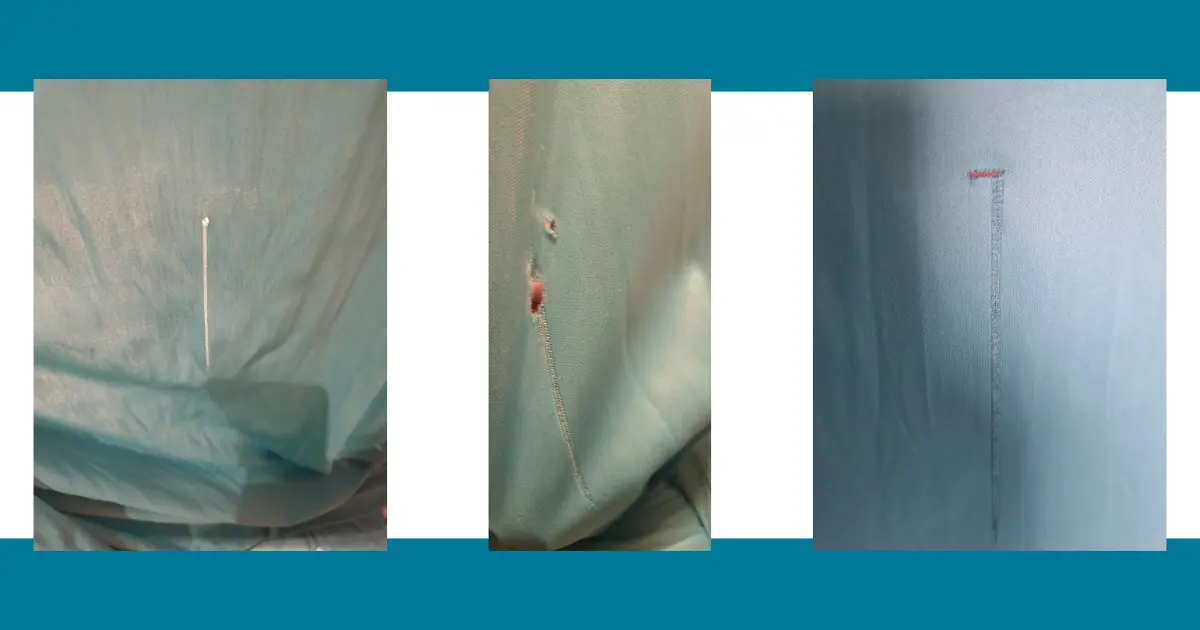
- Factory defects usually run along the length of the fabric (parallel to the fibers), not across it.
- Crosswise damage is often the result of mechanical snagging and is more dangerous – especially if it appears over 1 meter above the ground. In such cases, the silk should be immediately replaced.
- Look out for fraying, worn-out spots, shiny patches, or visible holes – these can indicate burn damage from intense drops.
Watch Out for Jewelry and Sharp Objects
Jewelry (rings, earrings, necklaces), sequins, rhinestones, or sharp nails can:
- Catch on the fabric, causing a sudden halt in motion,
- Lead to injuries (e.g. torn ear, skin abrasions),
- Mechanically snag or cut the silk, weakening its structure.
Always remove all accessories before training, and make sure your hands and nails are smooth and snag-free.
Washing and Maintaining Your Aerial Silk
It’s recommended to wash your silk every 2 weeks, and take that opportunity to carefully inspect it. Pay special attention to:
- The carabiner area ("figure-eight" spot), which experiences the most stress and heat during practice – this is where damage often begins.
- Signs of melting – if you notice that your leggings are damaged or “burnt” after a drop, take a very close look at your silk. Both leggings and silks are made of polyester, which melts at around 200°C (392°F). If that temperature was reached, the silk could be compromised. Look for glossy spots or, in severe cases, actual burn holes.
👉 Check out our article: How to Wash Your Aerial Silk.
When Should You Replace Your Silk?
If you find holes, melted spots, or serious snags, it’s a clear sign the fabric needs to be replaced.
While some aerial communities suggest "repairing" or stitching up the fabric – we don’t recommend this. The risk of failure is too high compared to the cost of a new, safe silk.
Taking care of your aerial silk is taking care of yourself. Regular inspections, safe handling, and zero compromises when it comes to safety are the foundation of responsible aerial training. Think of your silk as your partner in the air – only well-maintained, undamaged equipment can provide the comfort and safety you need up high.
Want more aerial tips? Follow our blog to stay up-to-date with the best practices and latest trends in aerial acrobatics!