


During training on the hoop, silks, or hammock, the consistency of movement and smooth transitions between poses are crucial — both for aesthetics and for safety. One key component that significantly impacts comfort and safty in the air is the swivel. Though small and often overlooked, it plays a vital role in preventing equipment from twisting and helps reduce mechanical stress. In this article, we’ll take a closer look at why having a swivel in your aerial setup is essential.
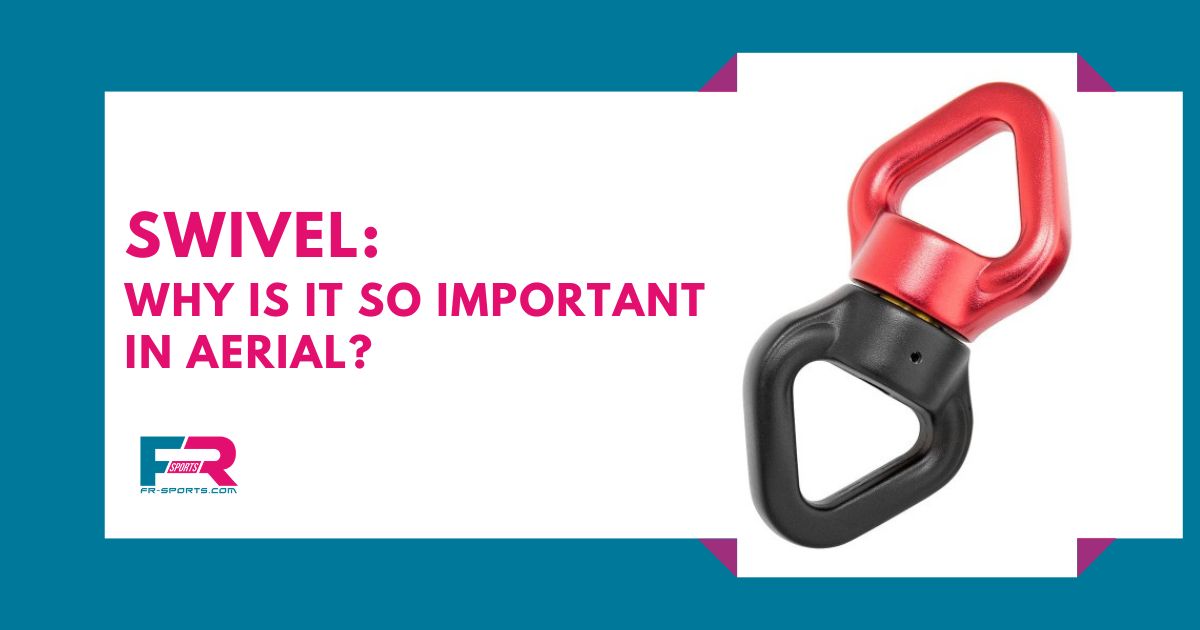
What Exactly Is a Swivel?
A swivel is a device that absorbs rotational force and plays a critical role in aerial work. Not only does it make tricks and sequences look more fluid and impressive, but it also opens up a broader range of movement possibilities.
But its most important function is enhancing safety. Without a proper swivel, elements in your setup can twist dangerously, leading to gradual weakening of the equipment — and in the worst-case scenario, complete failure.
Why Is Twisting So Dangerous?
Imagine trying to break a twig — twisting it causes the fibers to snap one by one until it finally breaks. If you don't use a swivel to absorb that twisting force, a similar process occurs in the materials used in aerial.
Additionally, anchors mounted on a single point can start to rotate, which increases the risk of the anchor loosening or detaching from the ceiling.
In short: a swivel not only improves the flow of movement but most importantly, protects your gear and reduces the risk of serious accidents.
Which Swivel Should You Choose?
When choosing a swivel, keep in mind a few key factors that directly impact your safety:
- It should comply with the EN 354 standard for connecting elements.
- It must be rated for a minimum load of 20 kN
(note: smaller swivels, such as those used for aerial straps, may have different requirements). - Most importantly: the swivel must be equipped with rolling bearings!
Bearings – Why Do They Matter?
There are two main types of bearings used in swivels:
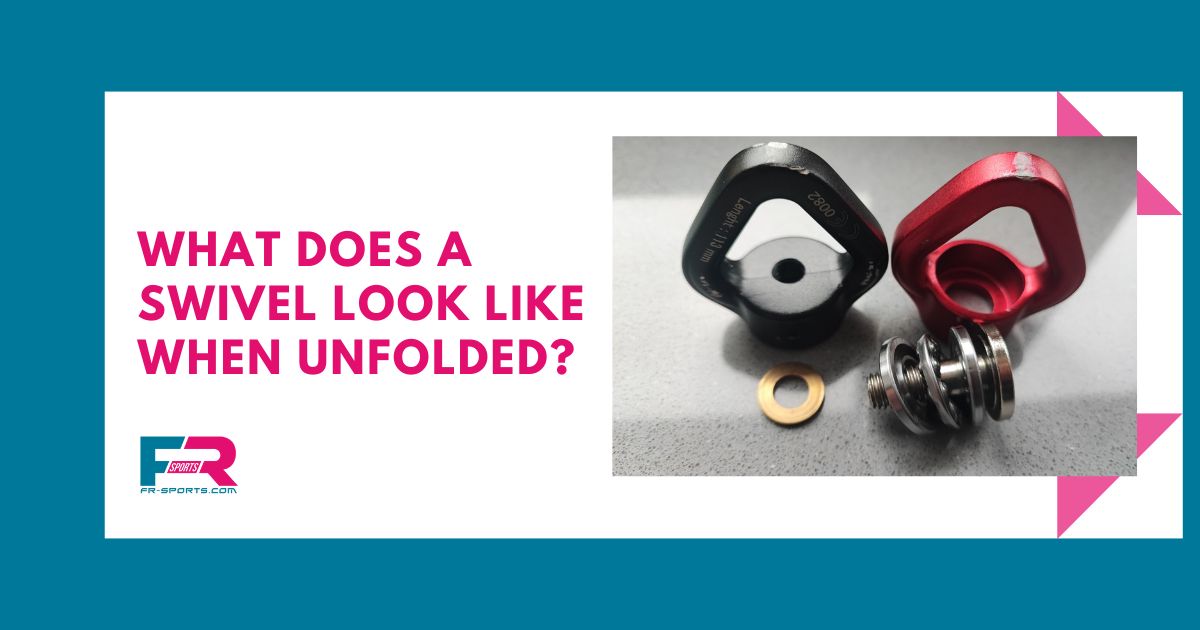
- Rolling bearings (typically ball or sometimes tapered bearings), which use rolling elements to transfer force.
- Plain bearings, where the force is transferred through sliding surfaces moving against each other.
In aerial, rolling bearings are strongly recommended. They operate more efficiently and wear down much slower under load — which directly affects your safety.
Train Safely!
The swivel may be a small piece of gear, but it makes a big difference. Remember, it doesn’t just enhance the visual appeal of your aerial work — it primarily keeps you safe.
Choose your swivel wisely and enjoy training that’s not only spectacular but also secure!